
Heritage
10 days
From $200 per day
Moderate
Afghan Watan Tour
A comprehensive journey through Kabul, Ghazni, Kandahar, Bamiyan, Band-e Amir and Mazar-e-Sharif.

Six sapphire lakes held behind natural travertine dams, three thousand metres up in the Hindu Kush. Afghanistan's first national park, and its most photographed place.
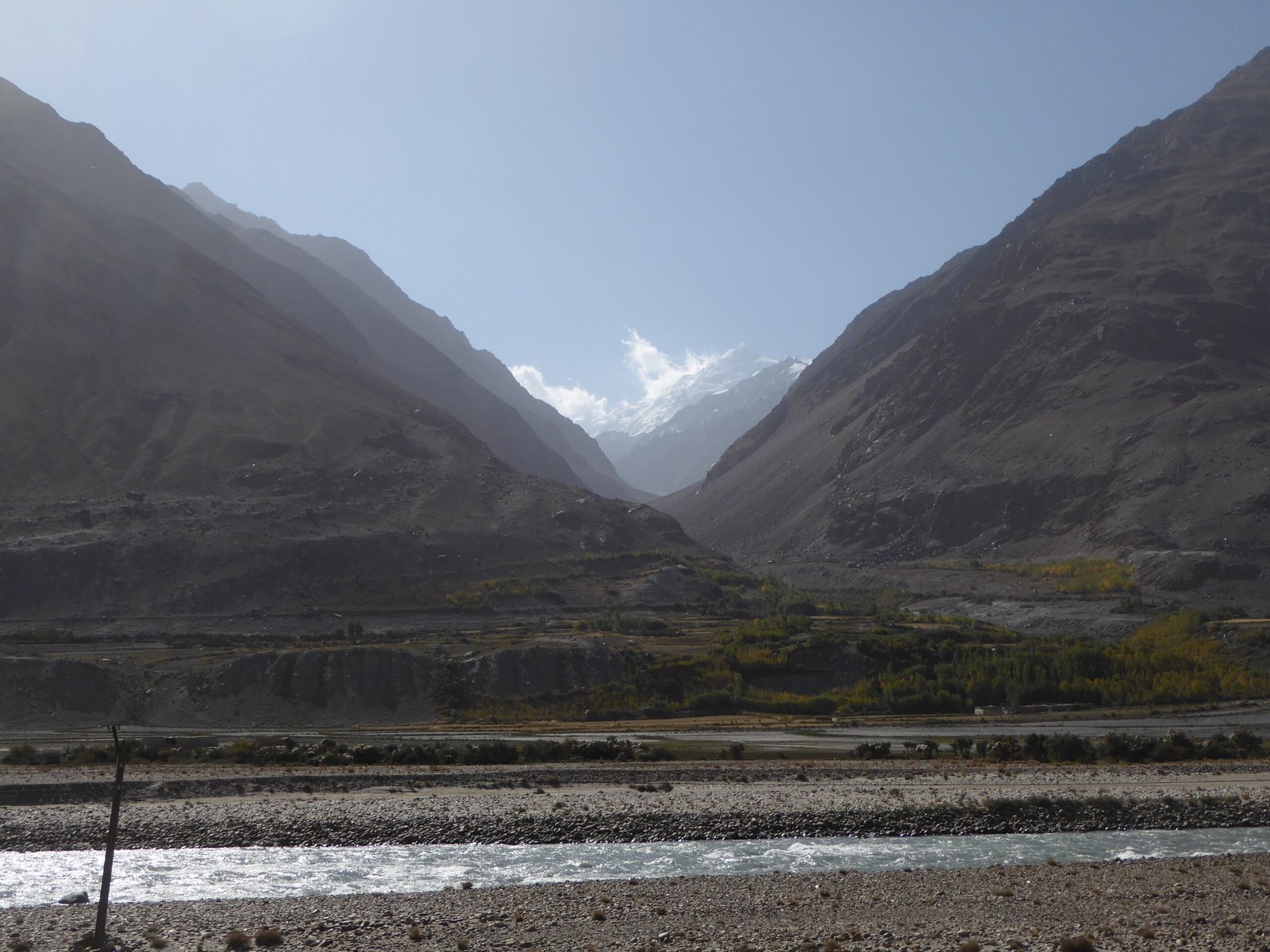
A ribbon of valley between the Pamirs and the Hindu Kush, where Kyrgyz herders still move with the seasons and the road ends at the roof of the world.
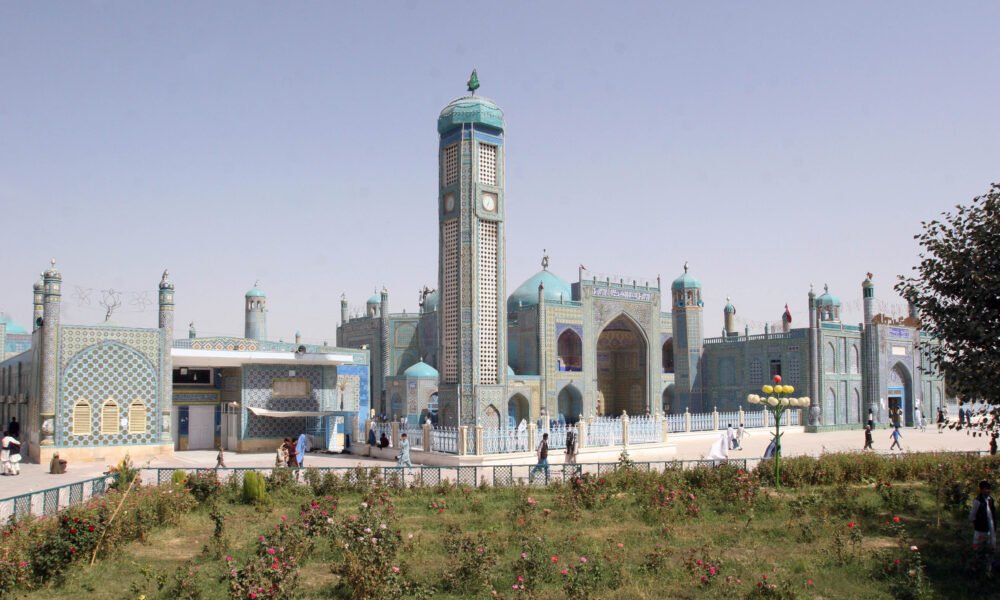
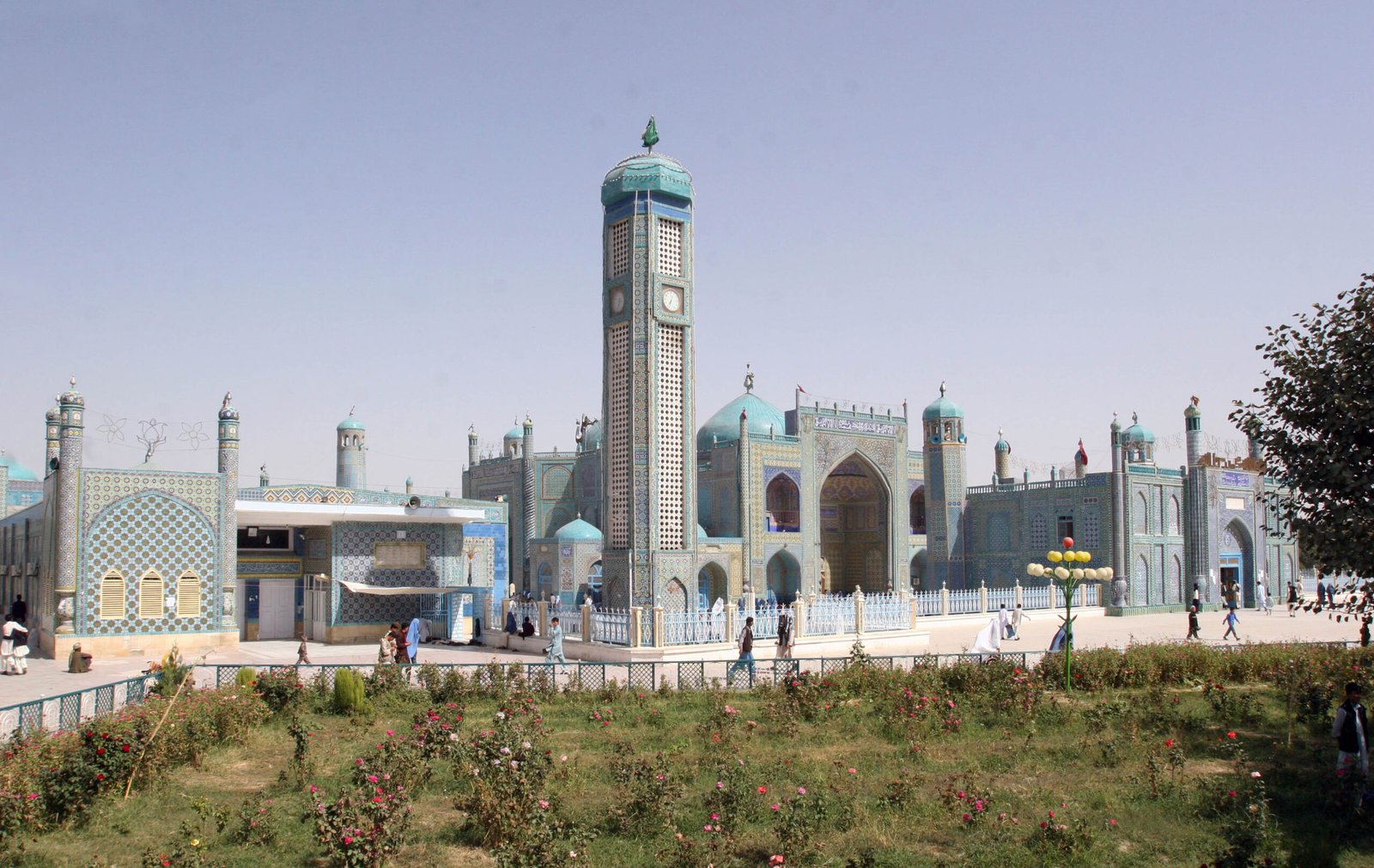
The Blue Mosque's turquoise tilework, white doves by the thousand, and the Nowruz crowds that gather here every March.
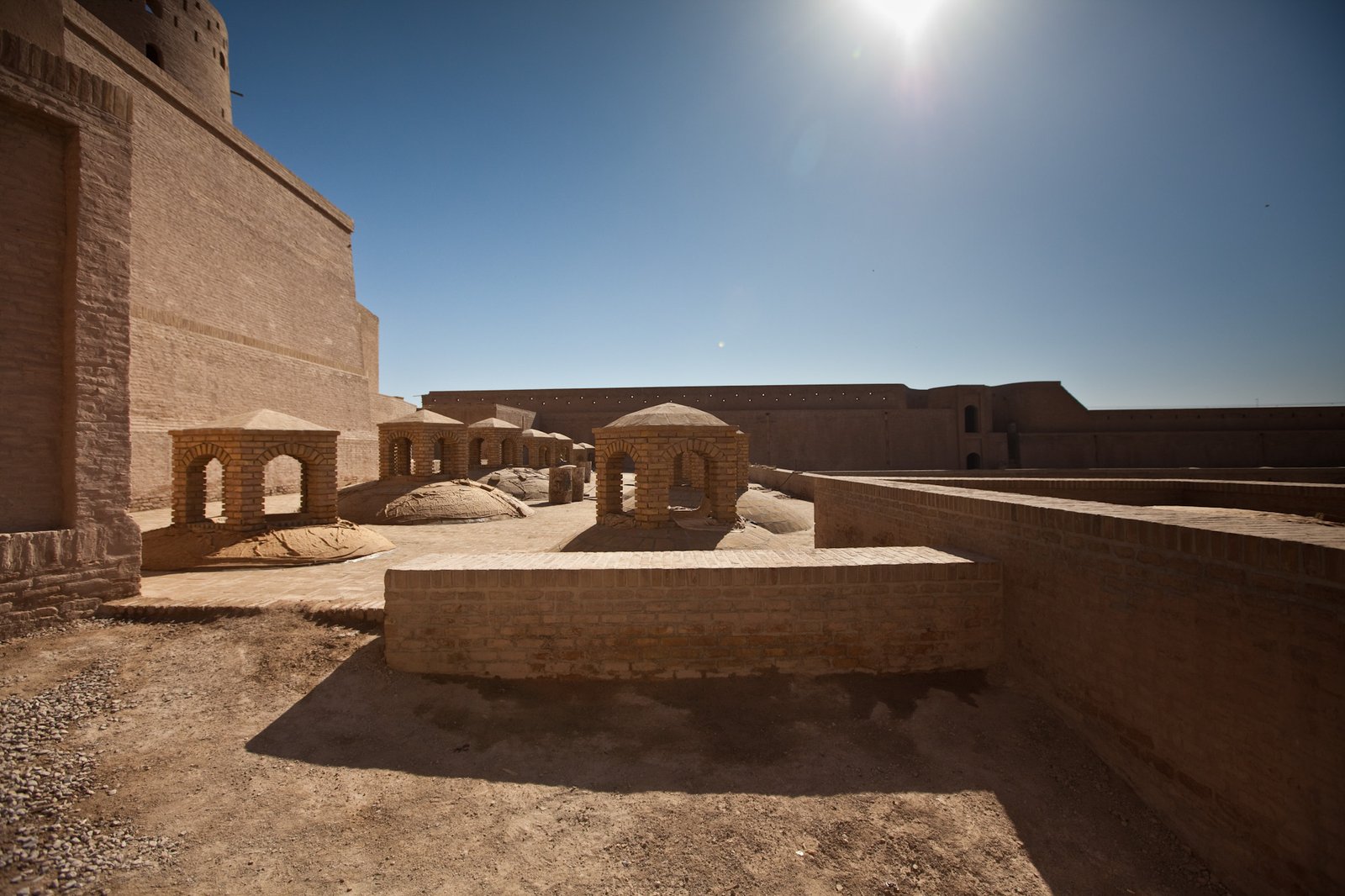
Persian poets, the citadel of Alexander and the finest tilework in the country on the Friday Mosque. The city that taught the Timurids beauty.
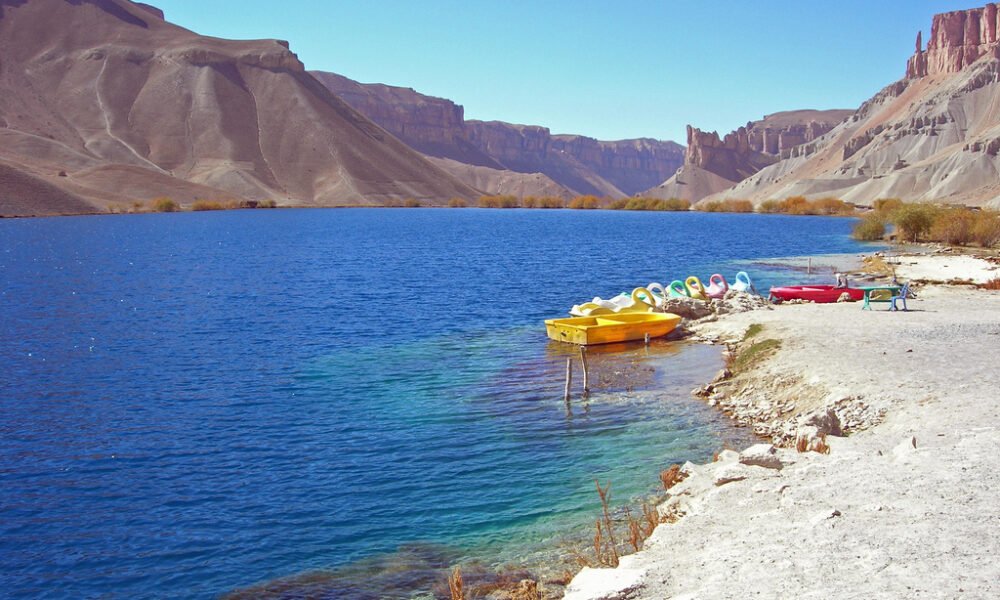
Band-e Amir
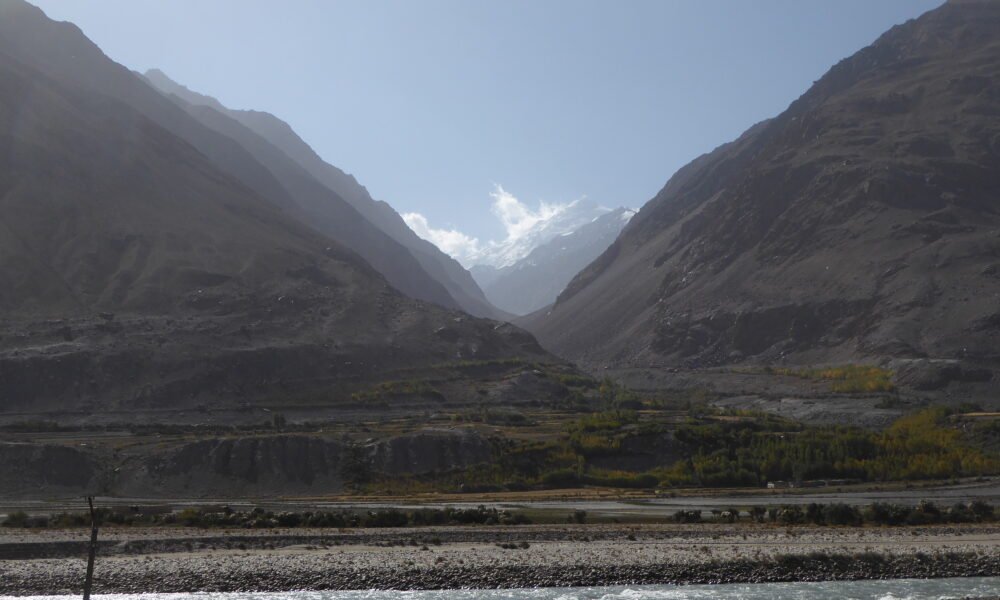
Wakhan Corridor
Mazar-i-Sharif

Herat
←
→
01 / 04
Wakhan
Visa sponsorship, provincial permits, guides and hotels. We handle the paperwork and the logistics, so the only thing left for you is the country itself.

We issue your letter of invitation and sponsor the tourist visa, then guide you through the embassy or e-visa process from application to approval.

Provincial travel permits and heritage site permissions are secured in advance, so checkpoints and gates are cleared before you reach them.

English-speaking Afghan guides and local drivers who know each valley, each road and the people along it, and who read a situation before it becomes one.

Vetted hotels and family guesthouses in every city on your route, from Kabul to the Wakhan, booked and confirmed before you arrive.
Itineraries from a three-day retreat to a fifteen-day heritage crossing. These are the three most travellers start with.
Heritage
10 days
From $200 per day
Moderate
A comprehensive journey through Kabul, Ghazni, Kandahar, Bamiyan, Band-e Amir and Mazar-e-Sharif.
Wilderness
7 days
Challenging
A remote high-altitude crossing of the Pamir frontier, with wildlife found nowhere else on the route. From $250 per day.
Heritage
15 days
Moderate
Islamic, Buddhist, Zoroastrian, Sufi and Jewish heritage sites across the oldest cities in the country. From $200 per day.
34 regions, each with its own history, landscape and pace. Security conditions change, so we confirm the current picture for every route before you travel.
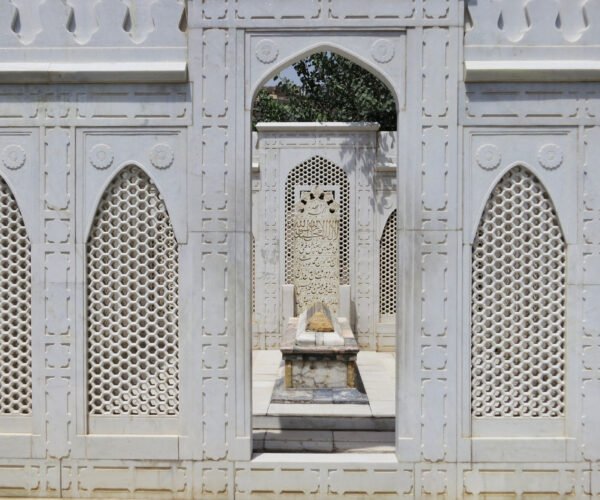
Kabul
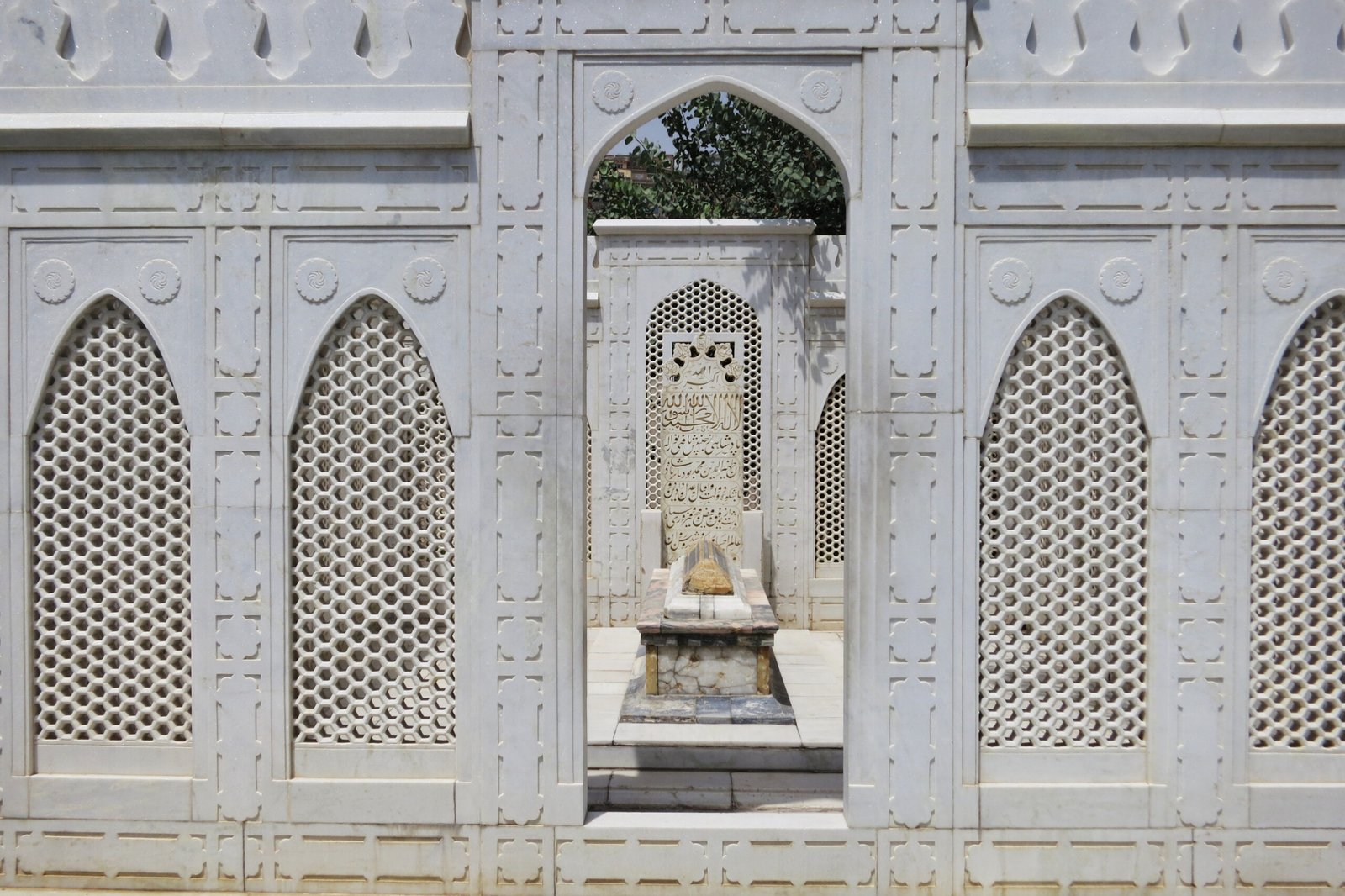
The capital, where ancient history and modern city life sit side by side.
Babur's Gardens. A beautifully restored Mughal-era garden, and one of the best places in the city to simply sit and take it in.
National Museum of Afghanistan. A significant collection of artifacts showcasing the country's rich history.
Darul Aman Palace. A symbol of Afghan resilience. The palace has undergone reconstruction and offers real insight into the country's past.
Kabul Bazaar. Local markets for handicrafts, carpets and other traditional goods.
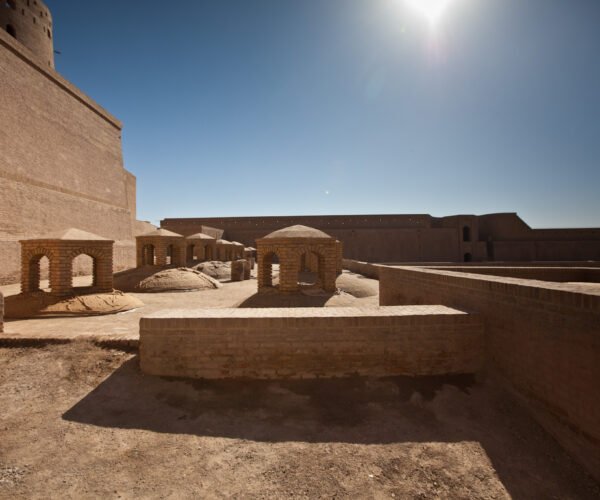
Herat
Persian in influence, and one of the most beautiful historic cities in the country.
Herat Citadel. Also known as the Citadel of Alexander, a well-preserved fort dating back to the time of Alexander the Great.
Friday Mosque. Masjid-i Jami, one of the most stunning examples of Islamic architecture, covered with intricate blue tiles.
Tomb of Queen Goharshad. A 15th-century mausoleum honoring a prominent figure of the Timurid dynasty.
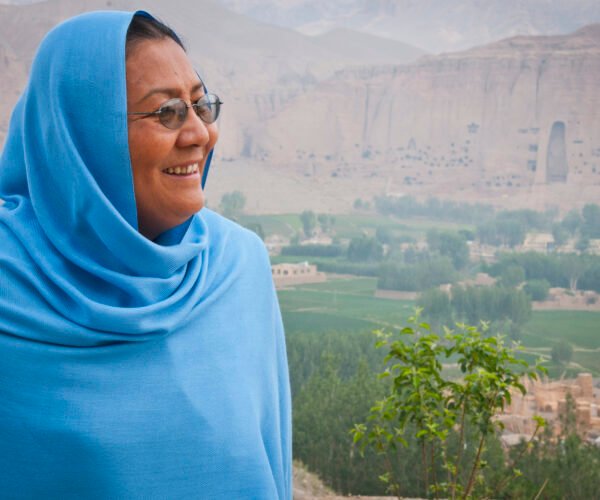
Bamiyan
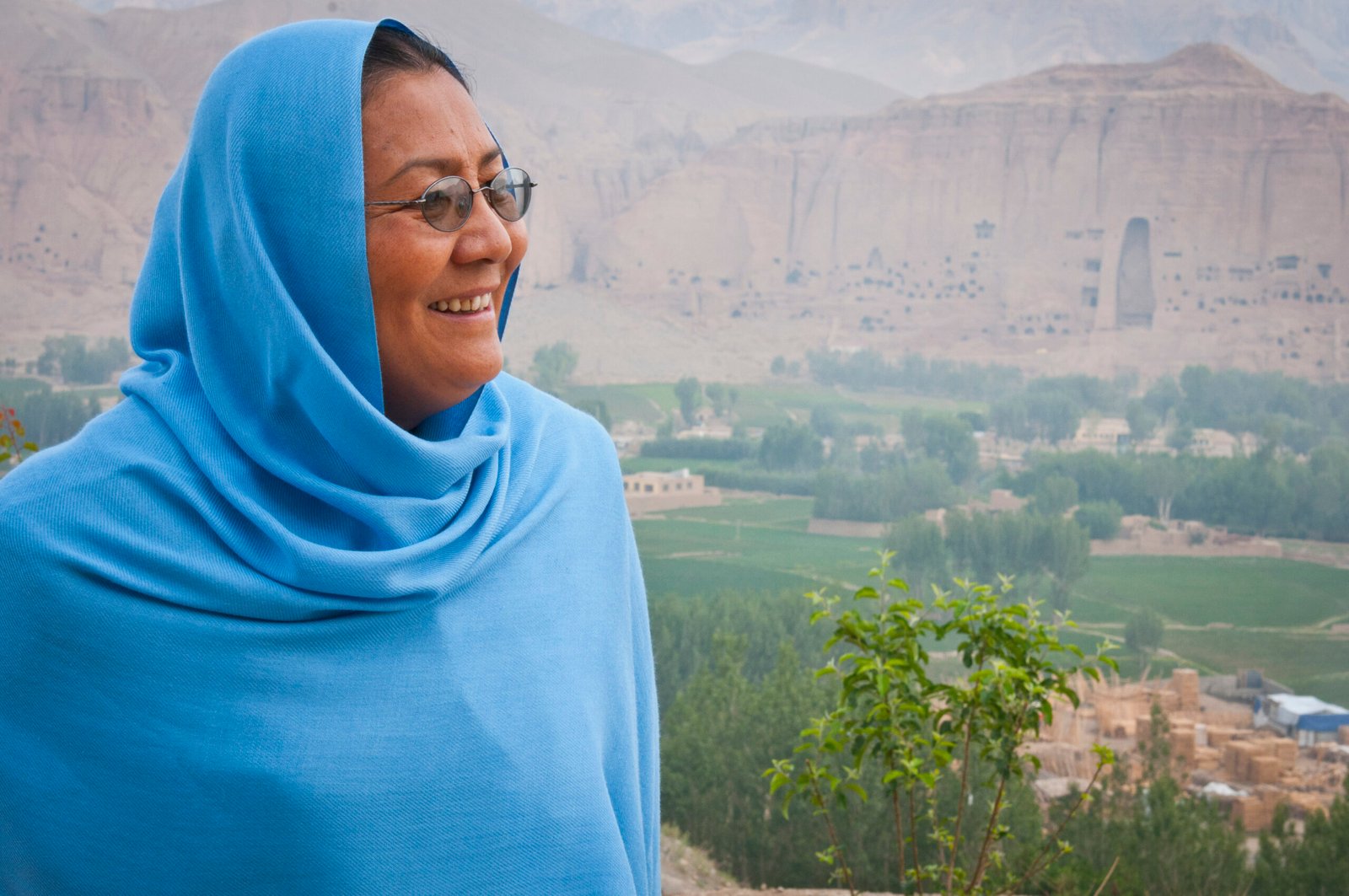
Ancient Buddhist heritage set against some of the finest natural scenery in Afghanistan.
The Bamiyan Buddhas. The site of the once-famous giant Buddha statues, destroyed in 2001, which still offers a powerful glimpse into Afghanistan's Buddhist past.
Band-e Amir National Park. A series of stunning blue lakes surrounded by rugged mountains, one of the most scenic natural areas in the country and a UNESCO World Heritage Site.
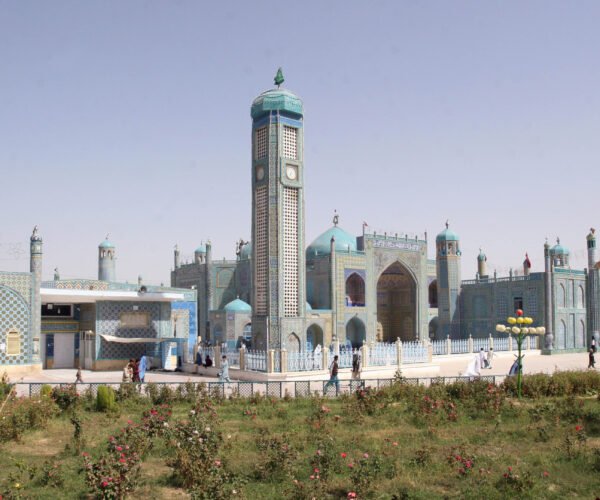
Mazar-i-Sharif
Spiritual significance and striking architecture in the north.
The Blue Mosque. The Shrine of Hazrat Ali, a striking blue-tiled mosque and one of Afghanistan's most important religious sites, believed to be the burial place of Ali, cousin of the Prophet Muhammad.
Nowruz Festival. If you visit in March, this is one of the most vibrant places in the country to celebrate the Persian New Year.
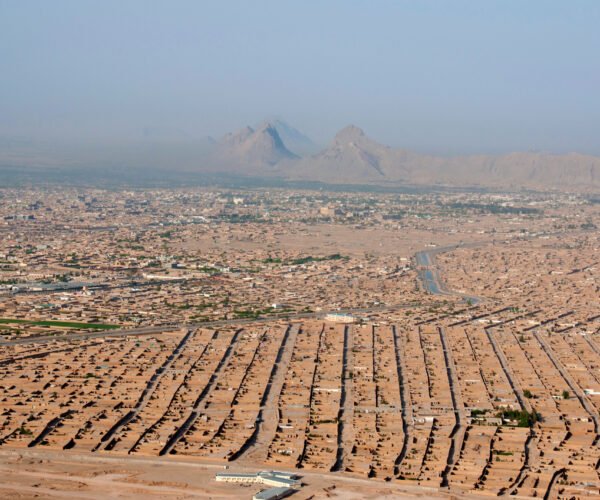
Kandahar
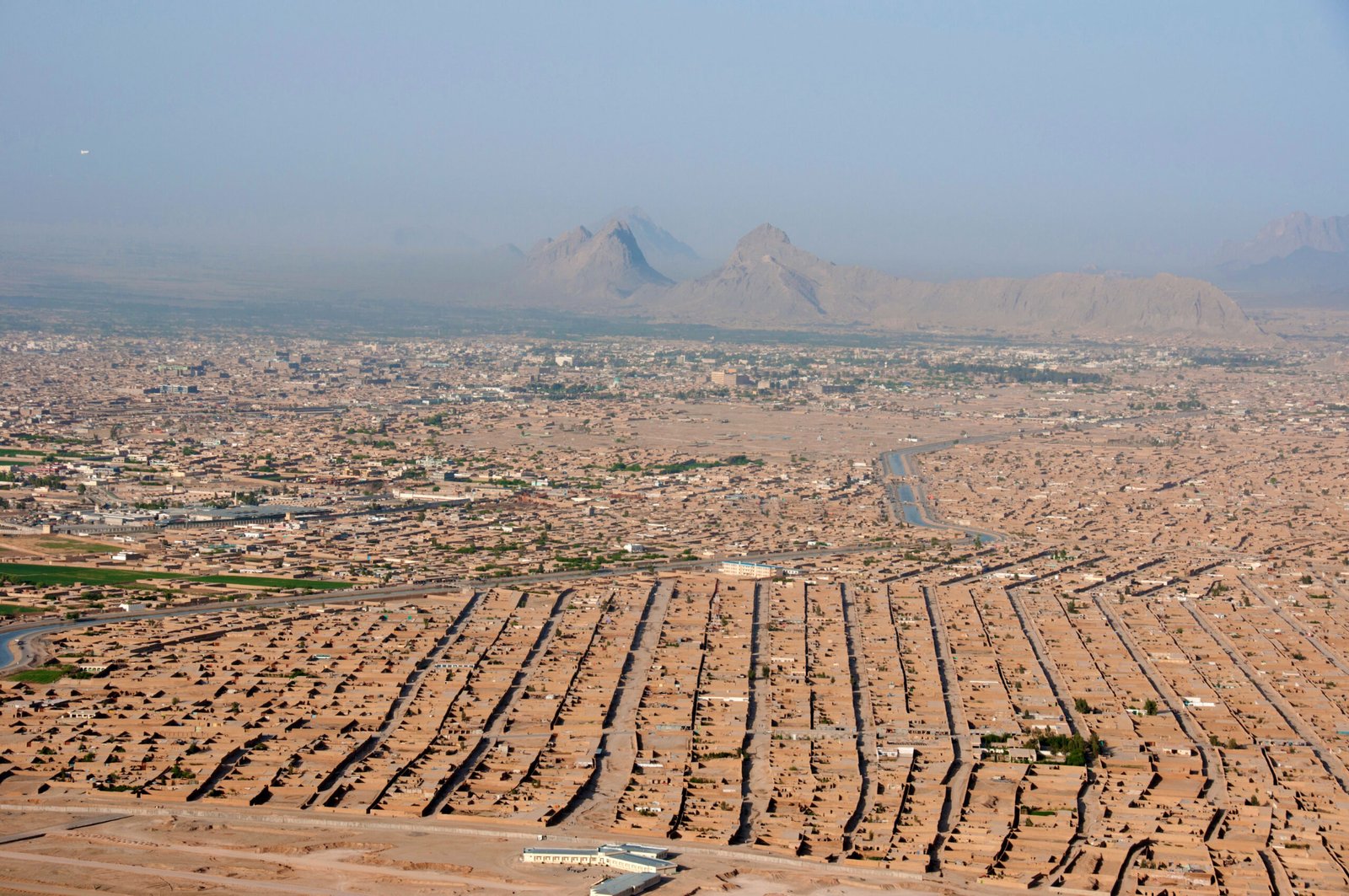
The birthplace of modern Afghanistan, and home to key historical sites.
The Shrine of the Cloak of the Prophet Muhammad. One of the most revered Islamic relics, though access is generally restricted to the public.
Chaman Border. The border town with Pakistan, offering insight into the history and trade between the two nations.

Panjshir Valley
Breathtaking scenery, and a central place in Afghan resistance history.
Hiking and trekking. The valley is an excellent spot for hiking and trekking, offering beautiful landscapes and glimpses of Afghan rural life.
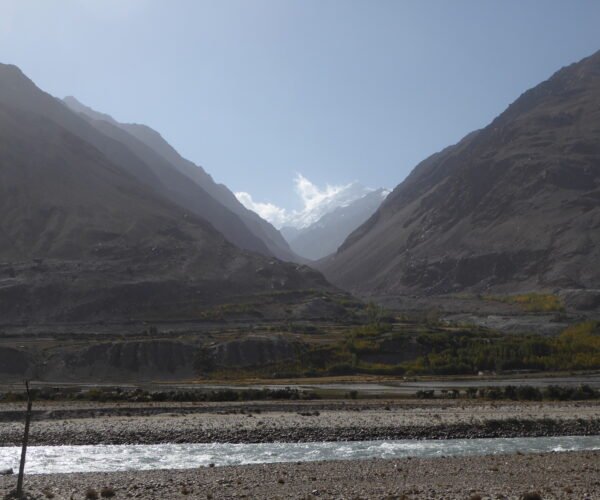
Badakhshan Province
Remote, rugged, and unmatched for natural beauty.
The Wakhan Corridor. A narrow strip of land connecting Afghanistan to China, famous for its spectacular mountains, high-altitude passes and unique cultures.
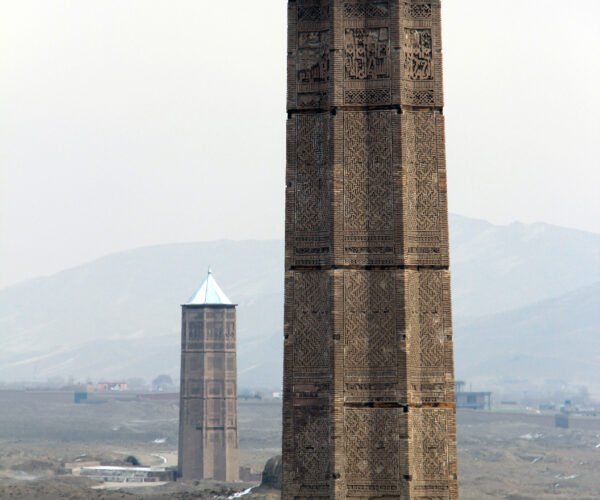
Ghazni
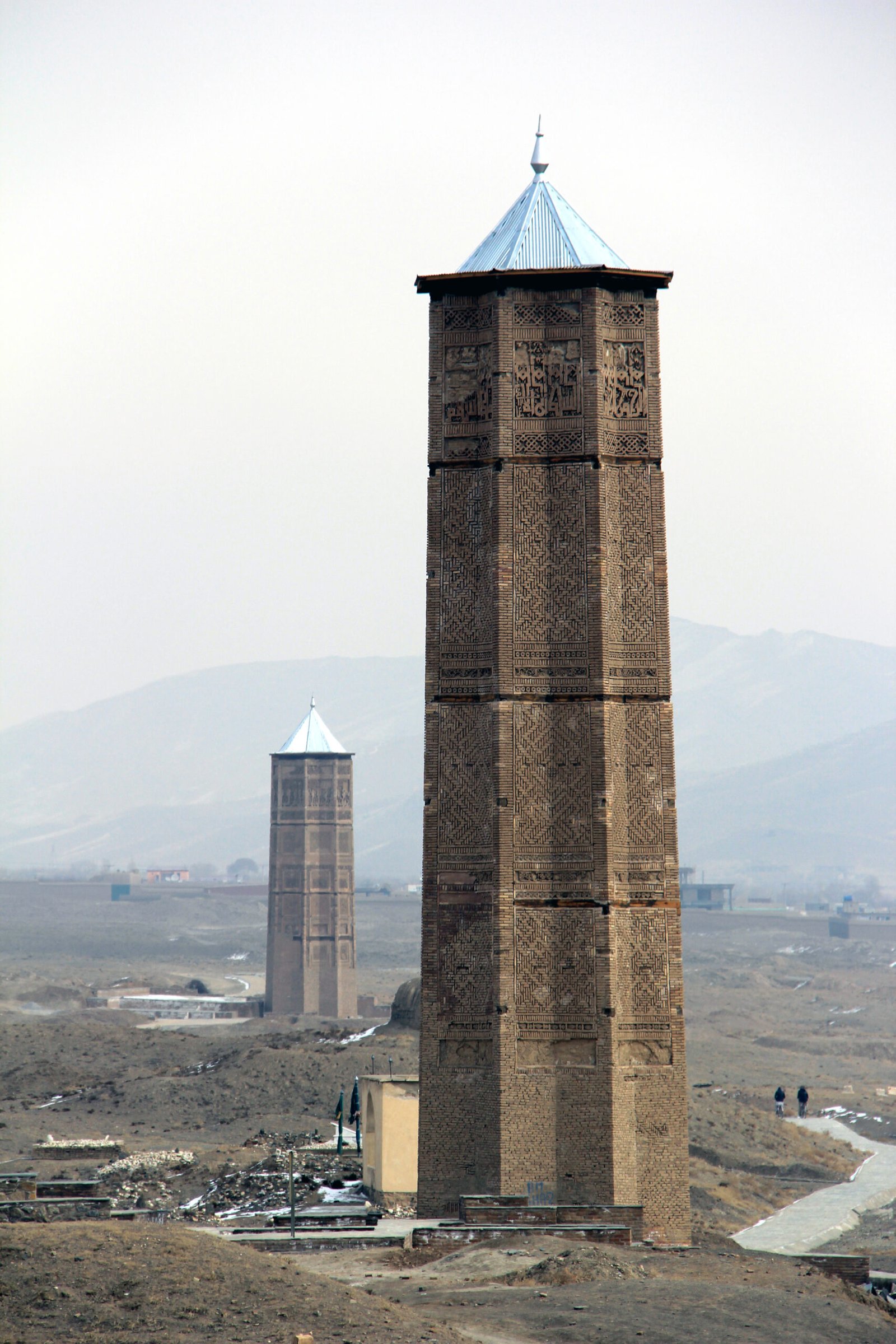
Historically significant, and known for its ancient fortifications.
The Ghazni Minarets. Two imposing towers from the Ghaznavid Empire.
Bala Hissar Fortress. A historical military fortress with impressive views.
Almost every problem a traveller runs into here comes from a small misstep, not real danger. These are the seven that matter, and how to sidestep each one.

That includes the airport. Ask before photographing anyone, never point a camera at a woman you do not know, and leave the drone at home — they are effectively prohibited.

Provincial travel needs permission slips arranged in advance, and checkpoints turn back anyone without them. Stay on the agreed route, avoid walking alone at night, and never take a lift from a driver you met on the street.

Both are illegal for everyone, visitors included, and the penalties are serious. Don’t bring either in, don’t ask where to find them, and don’t accept an offer from a stranger. Pork is unavailable too.

Men wear long trousers and sleeves. Women wear loose clothing that covers the arms and legs, with a headscarf in public and always at religious sites. Dressing well here is read as respect.

No hand-holding or embracing in public, even for married couples. Men should not offer a woman a handshake, and should avoid approaching women.

Don’t offer opinions on the government, armed groups or Islam — in conversation or on social media while you are in the country. Don’t enter a mosque uninvited, walk in front of someone praying, or touch a Qur’an unasked.

Landmines and unexploded munitions remain near former front lines and abandoned structures. Don’t pick up unfamiliar metal, don’t explore ruins alone, and drink only sealed bottled water.

Afghanistan is more welcoming than its reputation suggests. Your guide walks you through all of this again on the ground, and answers anything we have not covered here.
Plan your journeyThe questions travelers ask us most. If yours is not here, ask us directly and we will answer it.
When is the best time to visit Afghanistan?
Afghanistan offers something special in every season, and the best time to visit depends on the experiences you are looking for. Spring and autumn are particularly pleasant for exploring the country’s landscapes and historical sites, but Afghanistan can be visited throughout the year, with each season revealing a different side of its natural beauty, cultural heritage, and local life.
SPRING
Spring brings mild temperatures, blooming landscapes, and lush greenery, especially in the valleys and mountainous regions. It is an excellent time for sightseeing, hiking, and discovering the country’s natural beauty as the landscape awakens after winter.
SUMMER
Summer offers opportunities to explore Afghanistan’s cooler highlands, mountain valleys, and remote natural landscapes. While temperatures can be high in lower-lying areas, particularly in the south, many mountainous destinations provide a refreshing escape.
AUTUMN
Autumn brings comfortable temperatures, golden landscapes, and colorful foliage in many regions. It is a wonderful season for exploring historic cities, rural communities, and scenic mountain routes.
WINTER
Winter reveals a quieter, equally fascinating side of Afghanistan. Snow-covered mountains, dramatic winter landscapes, and the atmosphere of traditional towns and villages offer distinctive experiences for travelers. Although snow and cold temperatures can make some routes more challenging, winter can be an appealing time to discover the country’s cultural heritage and seasonal beauty, particularly in areas where conditions permit travel.
From the freshness of spring to the golden colors of autumn and the serene beauty of winter, Afghanistan welcomes travelers in every season. With the right itinerary and an understanding of local weather and road conditions, each time of year offers its own reasons to explore.
Do I need a visa to enter the country?
Yes, you need a visa from the consulates approved by the government. You also need an invitation letter from a registered tour company.
We offer comprehensive visa support, including both eVisa processing and embassy-issued visas depending on the traveller’s passport, with official invitation letters and all necessary permits to ensure seamless travel throughout Afghanistan.
Is it safe to travel in Afghanistan right now?
Conditions differ from province to province and change through the year, so there is no single answer. We check the current picture on every route before you travel, run only itineraries our own team has recently driven, and keep you with a lead guide and local coordinators for the whole journey.
You are told what each day involves before you commit to it, and if a region cannot be visited responsibly we say so and re-route.
What should I pack?
Loose, modest clothing in layers: long trousers and long sleeves for men, loose clothing that covers the arms and legs plus a headscarf for women. Days are warm and nights in the mountains are cold, even in summer.
Bring sturdy walking shoes, a power bank, any medication you rely on, a copy of your passport and visa, and US dollars in clean, newer notes. Cards are rarely accepted outside the larger hotels in Kabul.
Do I need travel insurance?
We strongly recommend it, although it is not a requirement for entry. Many standard policies exclude Afghanistan, so read the fine print and look for a specialist provider that names the country explicitly and covers medical evacuation.
If you do take out cover, send us a copy of your policy before departure so our team has it on hand if it is ever needed.
Tell us your dates and what you want to see. We will send back a route and a price within two working days.
Tell us a little about yourself and we will come back within 24 hours with a route and a price.